Best Time to Snorkel in Cozumel: Month-by-Month Guide

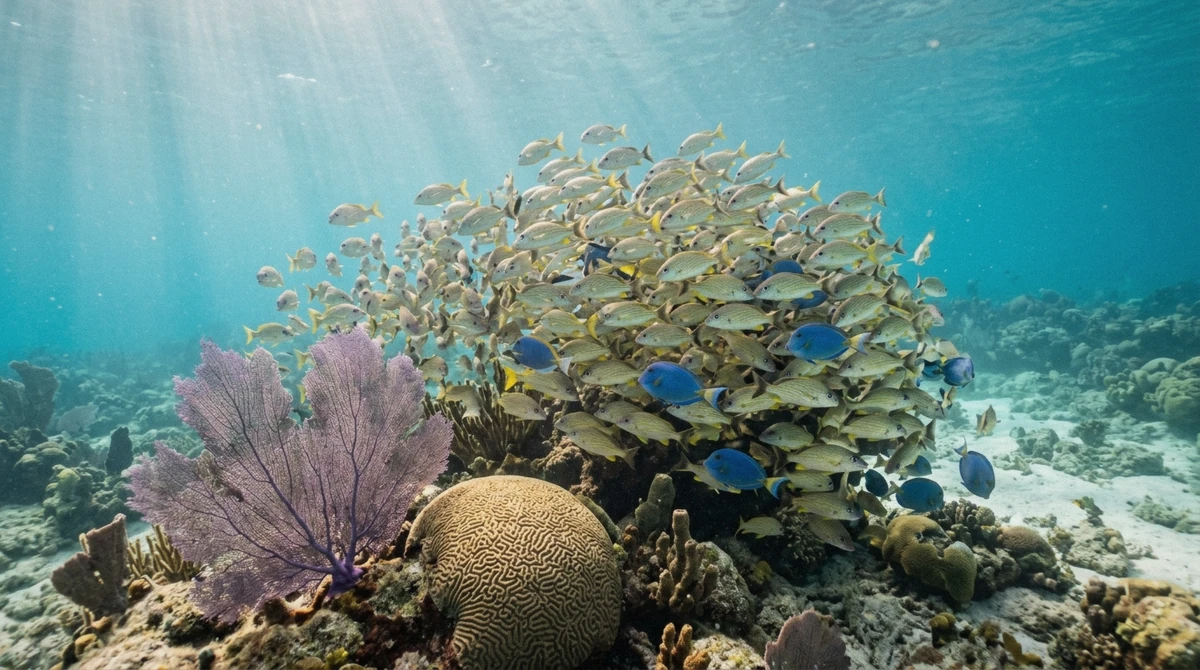
The best time to snorkel in Cozumel is December through April, when the water runs clearest and calmest. The trade-off is a busier island and higher prices; May through November brings warmer water, thinner crowds and the two things worth actually watching, winter nortes and the Atlantic hurricane season. Sargassum, despite its regional reputation, barely factors into a Cozumel decision, and we'll show exactly why below.
Quick answer
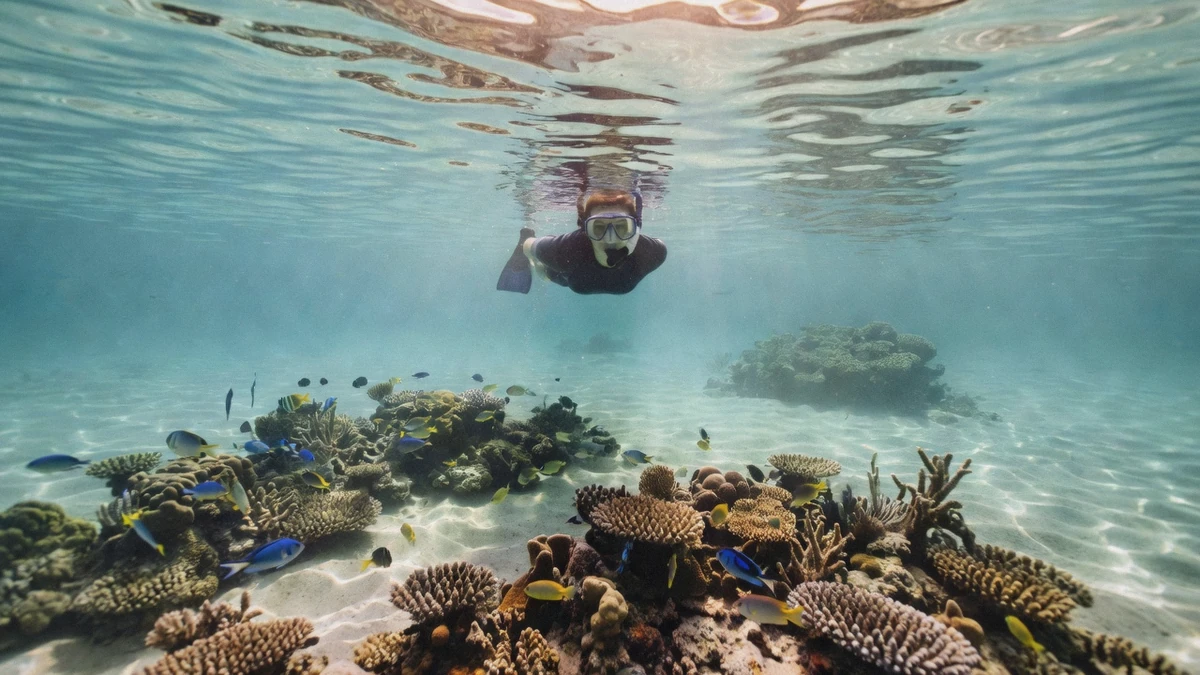
December through April is the best time to snorkel in Cozumel, when visibility commonly runs 80 to 100+ feet and the leeward coast stays calm. May through November trades some clarity for warmer water and smaller crowds, and the two real risks to plan around are winter nortes and the Atlantic hurricane season, not sargassum.
Key takeaways
- Best window: December through April, for the clearest, calmest water of the year, and the season the 3-reef boat trip runs at its best
- Runner-up: May or November, when prices and crowds ease but visibility softens after rain
- Month to avoid if you're storm-averse: September, the Atlantic hurricane season's statistical peak on 10 September
- Counterintuitive fact: sargassum lands on Cozumel's exposed east coast, while every reef and shore site here sits on the sheltered west coast, including the shore entries
- Best time of day matters more than the month: mornings run calmer on the west coast before afternoon breeze builds
- Every trip listed here can be cancelled free up to 24 hours ahead, which is the practical hedge; what a day actually costs
Trips That Work Well Whatever the Month
These three run on the sheltered west coast year-round, which is why they hold up across most of the calendar below.
 from $68Most Popular — 1,408 Reviews
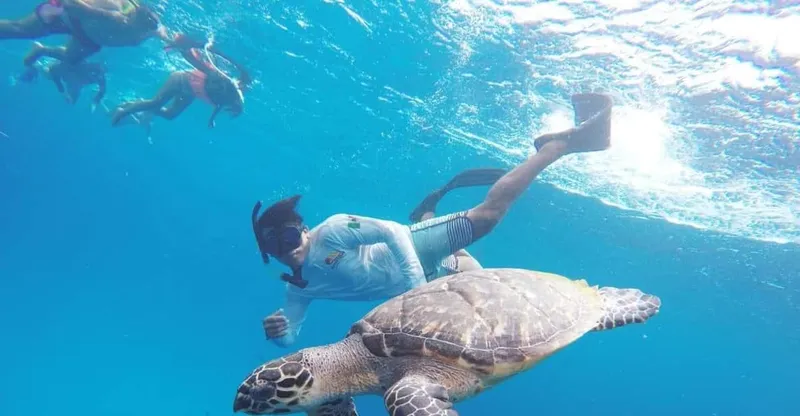
 Cozumel 3-Reef Snorkeling Boat Tour with Drinks
A half-day boat trip to three of Cozumel's signature reefs — Palancar, Columbia and Playa el Cielo — snorkeling among coral and tropical fish with fully-trained guides. Drinks…
- Snorkel Palancar, Columbia and El Cielo reefs
- Half-day boat trip with fully-trained guides
- Drinks and snacks served on board
- All snorkel gear provided
 from $65Turtle Encounters — 4.4★
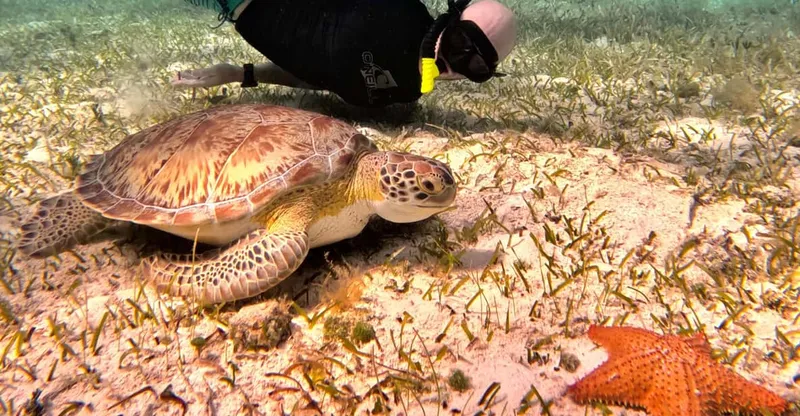
 Cozumel Turtle Sanctuary Snorkel Tour
An all-inclusive snorkel run to some of Cozumel's best reef and beach sites, including the famous El Cielo starfish sandbank and the island's turtle grounds. Guides, gear and…
- Snorkel the island's turtle grounds
- Stop at the famous El Cielo starfish sandbank
- All-inclusive with guide and gear
- Drinks provided on board
 from $35Best Value — 4.6★
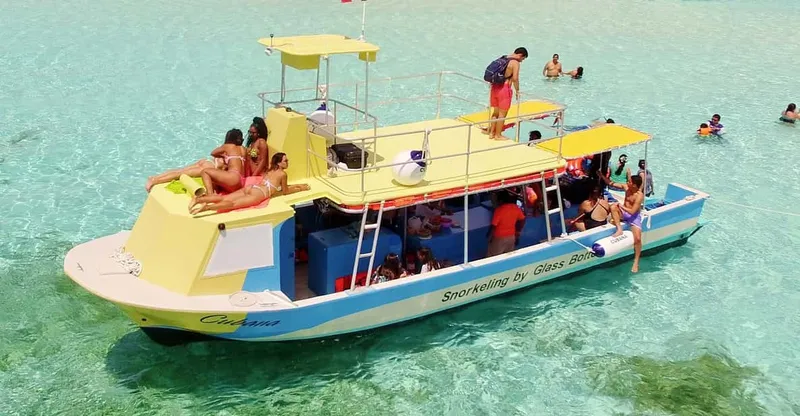
 Cozumel VIP Glass-Bottom Boat & Snorkel, 3 Reefs
A 2-hour trip that visits three famous Cozumel reefs aboard a comfortable glass-bottom boat, so swimmers and non-swimmers both see the coral and fish. Friendly crew, drinks on…
- Three famous Cozumel reefs in two hours
- Glass-bottom boat for swimmers and non-swimmers
- Easy reef access for all ages
- Drinks and friendly crew on board
The Best Months to Snorkel in Cozumel
December through April is the stretch every operator on the island points to first, and for a plain reason: it's the driest, calmest run of the year on the leeward coast, and it's also when visibility commonly gets reported in the 80 to 100+ foot range. That window also lines up with Cozumel's busiest cruise and hotel season, so book any of the Cozumel reef snorkeling trips a few days ahead rather than the morning of.
If you'd rather trade a little clarity for a quieter island and easier bookings, May and November sit right on the shoulders of that window. Neither carries the crowd pressure of the winter months, and both fall outside the worst of the hurricane season's most active stretch. What you're actually managing across the rest of the year isn't one big "bad season", it's two specific, separate risks: winter wind and summer storms. Both are covered in full below.
Month by Month: What the Water Does
This table applies the patterns above to each month. Treat every entry as typical, not a guarantee for your specific week, since conditions shift year to year.
| Month | Water & Visibility | Conditions to Know | Verdict |
|---|---|---|---|
| January | Clear, within the 80–100+ ft window | Cool, dry, occasional norte chop | Very good, watch the wind |
| February | Clear, calm most days | Cool, dry, peak tourist season | Very good |
| March | Clear, nortes tapering off | Warm, breezier, spring-break crowds | Very good, book early |
| April | Clearest window closing out | Warm, generally calm | Best overall |
| May | Visibility starts to soften | Warm, rain increasing | Good, easing crowds |
| June | Lower after rain begins | Hot, hurricane season opens 1 June | Good value, watch forecasts |
| July | Warmer water, moderate visibility | Hot, humid, summer holidays | Good, busier again |
| August | Visibility variable after rain | Hot, active storm watch | Fair, check the forecast |
| September | Warmest water, typically lower visibility | Hurricane season's statistical peak, 10 September | Riskiest month, stay flexible |
| October | Improving late in the month | Warm, storm activity tapering | Improving, still watch storms |
| November | Visibility rebuilding | Cooling, nortes begin mid-month, hurricane season ends 30 November | Good, transition month |
| December | Clear water returns | Cool, dry, occasional norte, holiday crowds | Very good, book ahead |
Read this alongside the two named weather patterns below rather than on its own: a norte can knock a January day off the "very good" row, and a quiet September can outperform its own "riskiest" label. The table shows the typical case, not a forecast.
Nortes: the Winter Wind Nobody Warns You About
Nortes are winter cold fronts that sweep down over the Yucatán Channel roughly mid-November through mid-March. They push north wind over Cozumel's normally flat leeward coast and can kick up real chop where the water is usually glassy. A norte typically lasts one to three days before it clears, and operators respond by shifting trips to the more sheltered southern sites rather than cancelling outright.
There's no official published "nortes calendar", so this is the reported pattern rather than a fixed schedule. If you're traveling in the December through March window and a front rolls through during your trip, don't assume the day is lost: ask your operator which site they're running that morning, since the answer often changes with the wind rather than the itinerary you booked.
What a norte feels like from the boat is worth describing, since the word means nothing to most first-time visitors. The sky often stays bright, which is why people are surprised. What changes is the surface: a short, stacked chop that makes the ride out uncomfortable and stirs fine sand into the top few feet of water at the shallow sites, so the sandbar stops lose the glassy look they are famous for while the deeper reefs stay perfectly clear underneath.
Boats that would normally run north work south instead, and the trips that hurt most are the short ones close to town, since they have nowhere sheltered to move to.
Hurricane Season, Honestly
The Atlantic hurricane season, as tracked by NOAA's National Hurricane Center, officially runs 1 June to 30 November, with a statistical peak around 10 September and most storm activity concentrated from mid-August through October. That's the honest window to plan around if a cancelled boat day would wreck your trip.
NOAA's outlook for the 2026 season, issued and maintained through the year, predicts a below-normal season for the Atlantic overall. We'd rather say it that way, as NOAA's forecast, than promise you a quiet week, since any single season can still produce an active storm outside the statistical norm. If you're booking a snorkeling trip anywhere in the June to November window, build in a spare day if your schedule allows it, and lean on the free cancellation every tour on this site carries.
It helps to keep the two named risks separate in your head, since they behave differently and hit different parts of the year.
Neither pattern is constant across its whole window. A norte is a discrete event, a few days of wind inside a four-month stretch, not four straight months of bad water. The hurricane season works the same way: most of June, July and even parts of August pass without a direct hit, and the real caution zone narrows to the weeks around the statistical peak.
Treat both as things to check the week of your trip, not reasons to rule out an entire season on the calendar.
It is also worth separating two different risks that get filed under the same heading. A named storm anywhere in the western Caribbean can shut the port for a day or two even if it never comes near the island, and that is the version most travelers actually meet: not damage, but a closed harbour and a rebooked morning. A direct hit is far rarer and would rearrange your whole trip rather than one boat ride.
Planning for the first, with a flexible booking and a spare day, is proportionate. Planning for the second by avoiding the entire second half of the year is not, and it costs you the warmest water of the year.
Sargassum and Why Cozumel's West Coast Is Different
Sargassum, the floating brown seaweed that piles up on Caribbean beaches, is a real regional problem, mostly April through October. It's also the thing most travel guides warn about first when they write about Cozumel, usually by copying what's true of the Riviera Maya's beaches across the water.
The geography doesn't actually support that warning here. Sargassum drifts in on the Caribbean-facing side of the region, which on Cozumel means the exposed east coast. Every site this business sells, Palancar, Columbia, the El Cielo sandbar, the turtle grounds and every shore-entry point worth using, sits on the sheltered west coast, facing the mainland across the channel. That's the same coast every cruise pier uses, for the same reason: it's calm.
So the honest conclusion is this: a norte or a storm is what cancels a Cozumel snorkeling day, not sargassum. We're not aware of a verified, Cozumel-specific sargassum forecast, since the monitoring bulletins that do exist cover the wider region rather than this one island. If you want a same-week read before you travel, look for current reports rather than trusting a seasonal promise, ours included.
Which Month Suits Which Traveler
If You want the clearest water and can book ahead
aim for December through April, when visibility commonly runs 80 to 100+ feet.
If You're traveling during the hurricane season's busiest stretch
keep your dates flexible and rely on free cancellation up to 24 hours ahead rather than chasing a 'safe' week that doesn't really exist.
If You're worried specifically about sargassum
book any month you like; the sites sold here face the sheltered west coast, where sargassum rarely lands.
If You want lower prices and thinner crowds and can tolerate some wind
the shoulder months around May or November trade a little visibility for a quieter island.
If Your dates are already fixed
check that month's row in the table above rather than rebooking; a norte or a storm, not the calendar, is what actually cancels a day.
Booking Around the Weather
The Three Worries, Separated
Before the tactics, it helps to see the three things people lump together as "bad weather in Cozumel" set out separately. They arrive at different times of year, they do different things to the water, and only one of them regularly costs you a booking.
| What it is | When | What it does to snorkeling | What to do about it |
|---|---|---|---|
| Norte, a winter cold front | Roughly mid-November to mid-March | North wind and chop on the usually flat leeward coast, one to three days at a time | Ask which site the boat is running that morning; operators shift south rather than cancel |
| Atlantic hurricane season | 1 June to 30 November, peak around 10 September | Rain, swell and the occasional cancelled day; most of the season passes without one | Keep a spare day if you can, and book on free cancellation |
| Sargassum | Regionally April to October | Lands on the exposed east coast, away from every site sold here on the west side | Nothing, in practice; check same-week local reports if you are still unsure |
Free Cancellation Is the Real Protection
The single most useful protection against any of the above isn't picking a perfect month, it's picking a tour with a real cancellation policy. Every listing on this site offers free cancellation up to 24 hours before departure and reserve-now-pay-later, so a norte, a storm warning or a plain bad-weather morning doesn't cost you anything if you rebook or cancel in time.
- Book a morning slot where possible; it's the calmer part of the day on the west coast and gives more room to reschedule later that day if needed
- If you're locked into a September or October date, ask your operator about their weather-hold policy before you pay
- Compare a fixed budget across a full trip on the snorkeling cost breakdown so a rebooked day doesn't blow past what you planned
- If you're arriving by ship rather than staying on the island, the timing math is different again; see the cruise-day snorkeling guide for that version
A Quick Weather Checklist
- Confirm free cancellation and reserve-now-pay-later on the listing before you pay
- Book a morning slot for the calmest water and the easiest same-day reschedule
- If traveling June through November, keep one spare day unbooked in case a storm holds a trip
- Check same-week reports rather than trusting a seasonal promise for sargassum or a norte
- Pack reef-safe sunscreen and a rash guard regardless of month; conditions change faster than packing lists do
There Is No Closed Season
One more thing worth saying plainly, because it is the question behind all of these: there is no month in Cozumel where snorkeling stops. The reefs sit on the sheltered side of an island that is itself sheltered by the mainland across the channel, the water never turns cold enough to need a wetsuit, and the boats run all year. What actually changes across the calendar is how often a morning gets moved, how far the boat has to go to find flat water, and how much you pay for the privilege of a February booking made in October.
Pick the window that fits your holiday rather than the one a chart calls perfect, then protect it with a cancellation policy you have actually read.
Budgeting Across Any Month
For budgeting across whichever month you land on, the fares run $15 to $76 per person, about 255 to 1,295 pesos at 17.02 pesos to the dollar, and the marine park fee of 225 pesos, roughly $13, is cash at the dock on top. Last verified: August 2026.
The Best Time of Day, Which Matters More Than the Month
Across almost every month on this table, morning departures beat afternoon ones. The west coast tends to be calmest before the day's breeze builds, and boats that leave early also miss the afternoon crowds that gather around the most popular reef moorings, especially on cruise-ship days. It's not a dramatic difference in any single month, but stacked across a whole trip it's the more reliable lever to pull than trying to out-guess the season.
If your schedule allows any flexibility at all, take the earliest slot a reef tour offers rather than the mid-morning one. The one exception worth naming: on days right after a norte has cleared, afternoon can occasionally settle faster than the morning, so check with your operator that day rather than assuming the rule always holds.
Best Time to Snorkel in Cozumel: FAQ
What is the best month to snorkel in Cozumel?
December through April, when visibility commonly runs 80 to 100+ feet and the leeward coast stays calm. The month-by-month table above breaks down the full year, and the 3-reef tour runs well through most of it.
Is there sargassum in Cozumel?
Sargassum affects the region mostly April through October, but it lands on Cozumel's exposed east coast. Every site this site sells, including the turtle sanctuary tour, sits on the sheltered west coast, where sargassum rarely shows up.
What is a norte in Cozumel?
A norte is a winter cold front, roughly mid-November through mid-March, that pushes north wind over the channel and can kick up chop on the normally flat leeward coast for one to three days at a time.
Can you snorkel in Cozumel during hurricane season?
Yes, with planning. The Atlantic hurricane season runs 1 June to 30 November with a statistical peak around 10 September, per NOAA's National Hurricane Center. Book a tour with free cancellation and keep your dates flexible during that window.
When is the water clearest in Cozumel?
December through April is reported as the clearest, calmest stretch, commonly in the 80 to 100+ foot visibility range, with summer months running lower after rain and plankton blooms.
What time of day is best for snorkeling in Cozumel?
Morning, in most months. The west coast is generally calmer before the afternoon breeze builds, and early boats miss the busiest crowds around the popular moorings on cruise-ship days.